

Table of Contents
There is more to buying or dealing in real estate in Dubai than just looking at the price and location. This guide shows you how to use official government channels to check if a property in Dubai is in litigation. It also includes useful tips that experienced buyers look at before putting money into a deal.
Step 1: How to check property status in Dubai with Dubai Land Department (DLD)
The Dubai Land Department is in charge of keeping legal records of who owns what land. As a first step, you should always make sure that the seller is the legal owner of the property and that the move is legal.
Through DLD systems, you can confirm:
- Title deed authenticity
- Current owner name
- Property type and usage
- Whether the property is registered or under restriction
If a property is subject to an active court order, attachment, or freeze, it is often flagged during ownership verification.
Step 2: Use the Dubai REST App for Initial Red Flags
When it comes to property services, Dubai REST is the main digital platform for DLD. It doesn’t have a list of all court decisions, but it does have important signs that may point to legal problems.
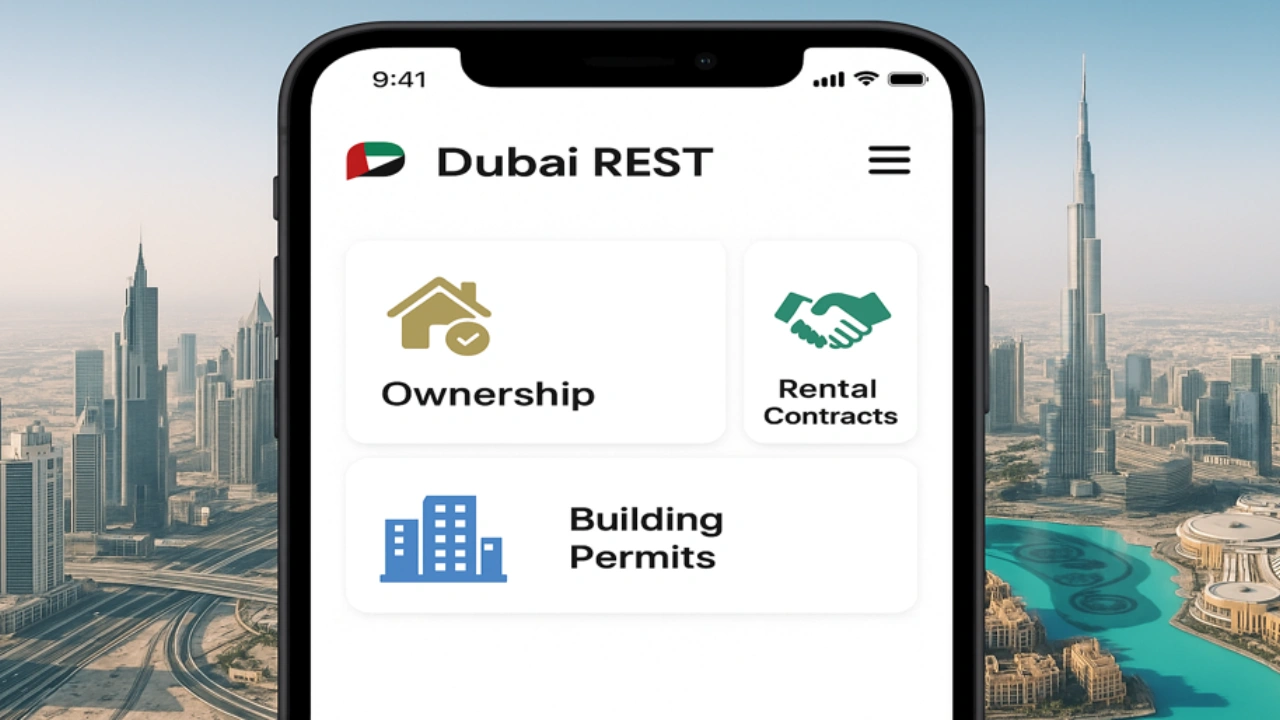


Using Dubai REST, you can:
- View title deed details digitally
- Check project registration for off-plan properties
- Identify blocked or restricted units
- Confirm if the developer and project are approved
If a property can’t go through normal REST workflows, it could mean that there are pending legal or regulatory problems that need more thorough checks.
Step 3: Search Dubai Courts case status
Dubai Courts is the best place to go for thorough lawsuit checks. Cases in court can be filed under:
- Property owner’s name
- Developer’s name
- Project or company involved
- Power of attorney holders
Dubai Courts does not offer a public “property address search”, but lawyers can find cases that are connected to the people involved in the deal. It is very important to do this step for:
- High-value transactions
- Distressed or resale units
- Developer-delayed projects
- Inherited or jointly owned properties
Need a More information About It?
Our agents will help you explore premium options tailored to your lifestyle, location preferences, and investment goals.
Step 4: Conduct a Developer Dispute Check
When people buy homes before they are built, lawsuits are usually brought against the builders, not the individual units. Buyers should look over:
- Past project delays or cancellations
- Escrow account compliance
- Ongoing lawsuits against the developer
- Regulatory actions or blacklisting
Even if a project seems to be listed with the government, it could still be subject to litigation at the developer level, which has a direct effect on the risk of completion and handover.
Step 5: Ask for a No Objection Certificate
For resale deals, you need a “No Objection Certificate” from the developer. Even though the NOC process is mostly administrative, it indirectly proves that:
- No outstanding service charges exist
- No internal developer disputes are active
- The unit is eligible for transfer
It’s usually a sign that problems haven’t been fixed when a developer refuses or takes too long to issue a NOC.
Step 6: Engage a Property Lawyer
A lot of checks can be done online, but official litigation checks need to be done by someone who is a lawyer. A good real estate agent can:
- Conduct party-based court searches
- Review RDC and civil case filings
- Identify attachment orders or execution cases
- Confirm whether disputes are active, settled, or under appeal
This step is particularly important for foreign investors, corporate buyers, and high-value assets.
Frequently Asked Questions
You can check your case status through the Dubai Rental Dispute Settlement Centre (RDSC) via official online portals or service counters.
Yes. Rental dispute cases can be tracked online through Dubai Land Department digital platforms, including the Dubai REST App.
You typically need the case number, Emirates ID, or Ejari contract details to access case information.
Yes. Both parties involved in the dispute—tenant or landlord—can check the case status, provided they have the relevant case or identification details.
You can view case status, hearing dates, judgment updates, and execution stage progress, depending on how far the case has advanced.


Join The Discussion